Top Personal Statement Mistakes
Mistake 1: Being Too Generic or Vague
One of the most frequent errors is writing a personal statement that could apply to any program or applicant. Admissions committees are looking for specificity and authenticity, not broad statements.
How to avoid it:
Mention specific experiences or projects that shaped your goals
Include details about the program or institution you are applying to
Explain why you are interested in this field, not just that you are
Example:
Instead of:
“I am passionate about business and want to learn more.”
Write:
“During my internship at XYZ Corp, I led a market research project that increased customer engagement by 20%, which sparked my interest in pursuing a master’s in marketing at ABC University.”
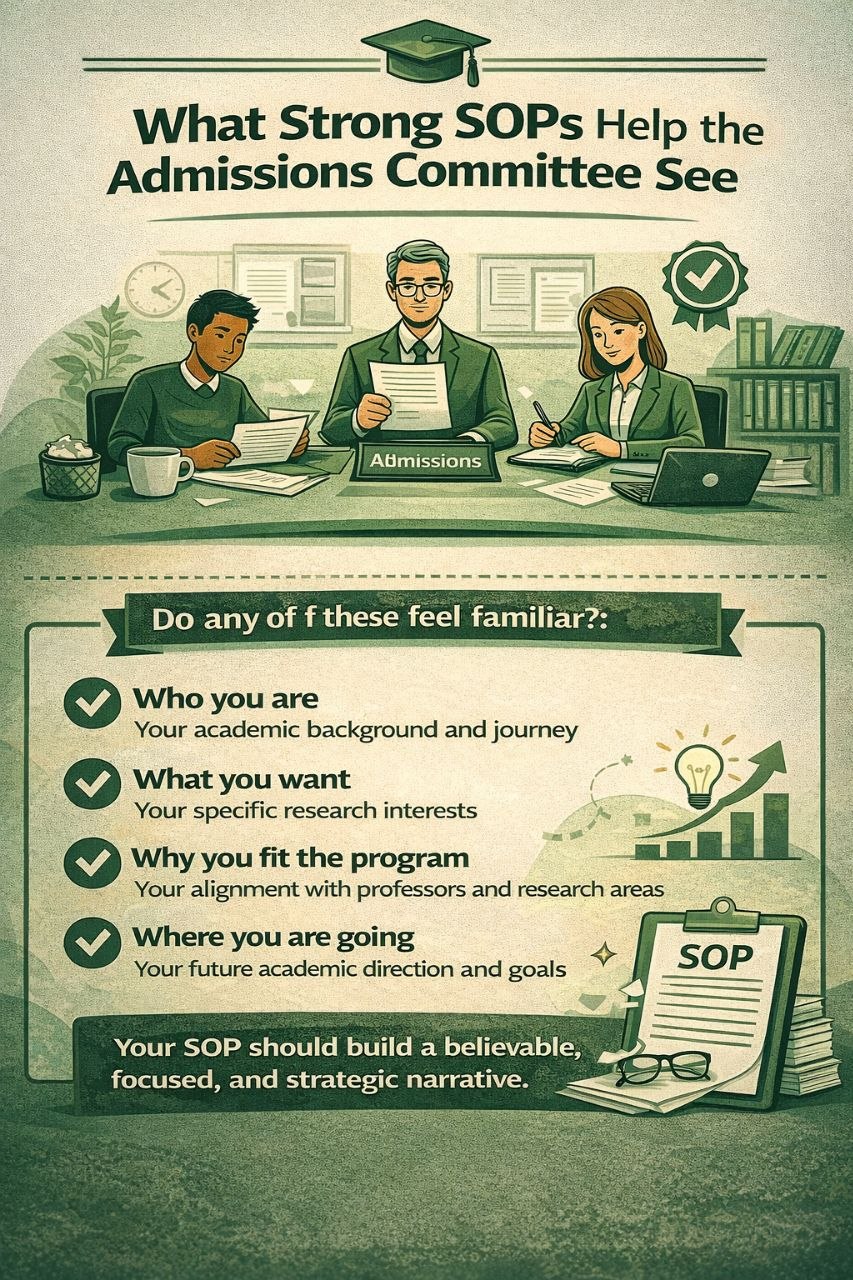
Mistake 2: Ignoring Structure and Flow
A poorly structured personal statement can confuse readers and reduce its impact. Your essay should tell a coherent story from introduction to conclusion.
How to avoid it:
Start with a strong opening paragraph
Include a clear middle section explaining background, skills, and achievements
End with a conclusion that ties your goals to the program
Bullet Points for Structure:
Introduction: hook + motivation
Academic and professional background
Key achievements and skills
Career goals and fit with the program
Mistake 3: Overusing Clichés and Buzzwords
Phrases like “I have always been passionate” or “I am a hard worker” are overused and unconvincing. Admissions officers read hundreds of statements like this every year.
How to avoid it:
Show your qualities through examples and stories
Replace generic adjectives with concrete achievements
Focus on unique experiences that differentiate you
Example:
Instead of:
“I am passionate about helping people.”
Write:
“During my volunteer work at the local clinic, I developed a system to streamline patient intake, improving efficiency and reducing wait times by 30%.”
Mistake 4: Neglecting Grammar, Spelling, and Style
Even small mistakes can make an otherwise strong statement appear unprofessional. Poor grammar can distract the reader and reduce credibility.
How to avoid it:
Proofread multiple times
Use grammar-checking tools
Have someone else review your statement for clarity and flow
Mistake 5: Failing to Tailor the Statement
Sending the same personal statement to multiple programs is a serious mistake. Each program has different requirements, values, and culture, and your statement should reflect that.
How to avoid it:
Research each program thoroughly
Highlight how your goals align with their mission and offerings
Adjust examples or achievements to suit the program focus
Mistake 6: Overemphasizing Extracurriculars or Irrelevant Details
While extracurriculars and personal achievements can add value, overloading your statement with unrelated activities distracts from your main message.
How to avoid it:
Focus on achievements that demonstrate skills or qualities relevant to the program
Keep unrelated hobbies brief or optional
Ensure each paragraph strengthens your application
Mistake 7: Being Too Modest or Too Arrogant
Finding the right balance between confidence and humility is crucial. Being overly modest may underrepresent your abilities, while arrogance can alienate the reader.
How to avoid it:
Highlight achievements factually, with supporting evidence
Use a professional, confident tone without exaggeration
Emphasize growth, learning, and future potential
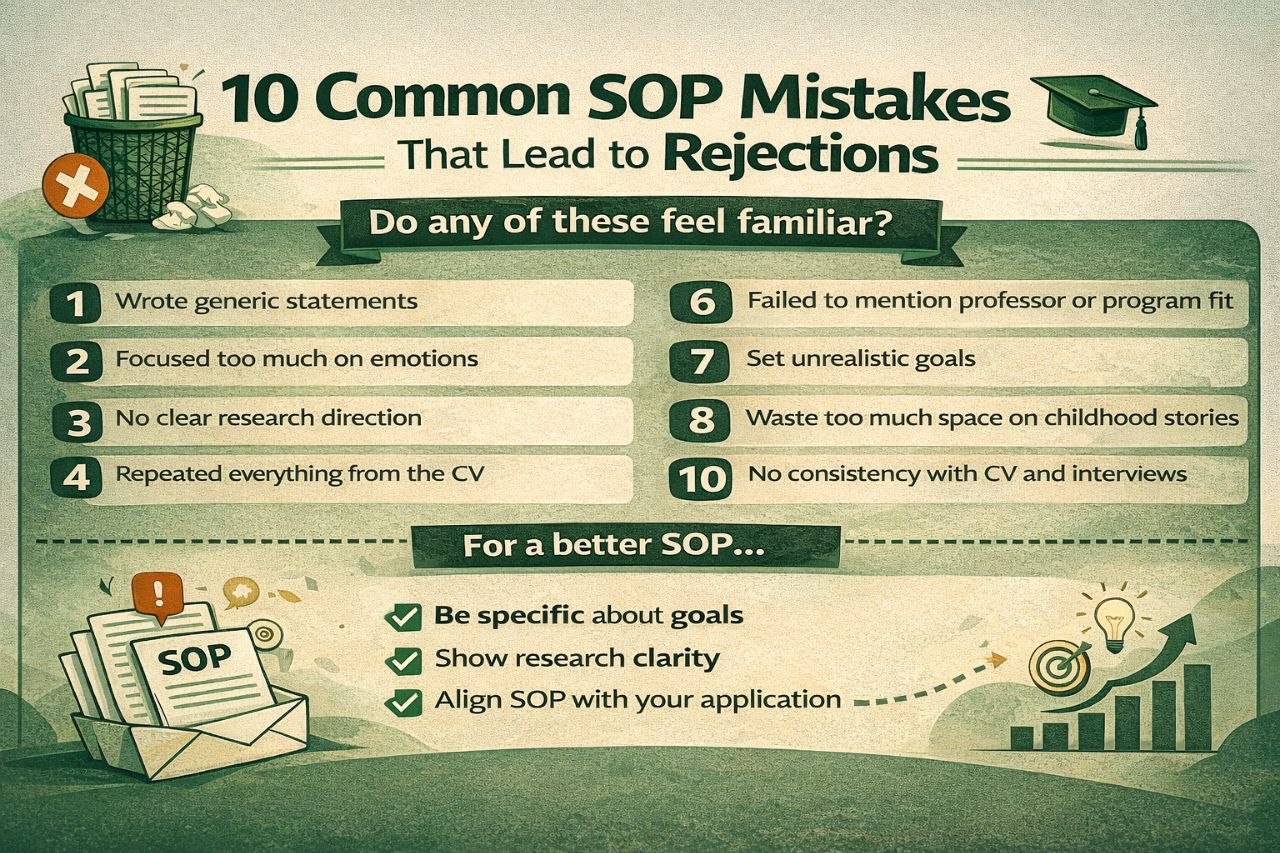
Take Action to Perfect Your Personal Statement
Writing a compelling personal statement requires careful planning, self-reflection, and attention to detail. Avoiding the mistakes above—generic content, poor structure, clichés, grammar errors, lack of tailoring, irrelevant details, and tone issues—can dramatically increase your chances of success.
Start refining your personal statement today by:
Reviewing each section for clarity and relevance
Including concrete examples that showcase your skills and goals
Using expert guidance or AI-assisted tools responsibly to polish language and structure
Take the first step now and create a personal statement that truly reflects your potential and helps you stand out. Register in Acatrix today to create a professionally optimized CV and access expert tools that support your entire application journey.
Everything You Need for Academic Applications in One Place
Whether you are preparing your SOP, contacting professors, practicing interviews, or tracking multiple university applications, Acatrix brings your entire academic application workflow into one structured system designed for students, researchers, and PhD applicants worldwide.